InfocusRx

Temasek, the Singaporean investment fund, acquires Manipal in a deal worth more than $2 billion.

Temasek Holdings, Singapore’s sovereign wealth fund, has bought a majority stake in Indian healthcare company Manipal Health Enterprises for over $2 billion, in the largest deal in the Indian healthcare space. Temasek-owned Sheares Healthcare has bought an additional 41% stake, taking its stake to 59%. After the transaction, Dr Ranjan Pai and his family’s stake will drop to 30% and existing investor TPG’s shareholding will fall to 11%. The hospital chain has 8,300 beds across India and has three greenfield projects in the works, expected to take the number of beds to 10,500.


Implementation of Patient Insurance Regulations

The Patient Insurance Act and the Patient Injuries Act are applicable in cases of bodily injury or loss of life resulting from medical treatment or healthcare received in hospitals, healthcare centers, private clinics, or even outside medical institutions if performed by a medical professional. However, certain conditions must be met, such as the injury occurring within Finland’s geographic area, the limitation period not having expired, and the injured party being a patient or participant in medical research. From 2021, the new Patient Insurance Act applies to health and medical care provided abroad if arranged by a public healthcare unit. The Patient Insurance Centre evaluates the compensability of the injury based on eight grounds.

Integrating Artificial Intelligence into the Field of Medicine

The Journal of Medicine has published the first articles in a new series called “AI in Medicine” which discusses the potential and challenges of artificial intelligence (AI) in all aspects of health and healthcare. The journal has also announced the launch of NEJM AI in 2024, which will provide a forum for high-quality evidence and resource sharing for medical AI along with informed discussions of its potential and limitations. However, there are two challenges to publishing on AI in medicine – the breadth of potential applications and the fact that expertise in AI and machine learning is linked to commercial applications. Therefore, the journal will follow a policy of transparency and disclosure to ensure ethical, governance, and regulatory considerations are met.

SARS-CoV-2 vaccination response analyzed among UK healthcare workers with ethnic variations.

A study on UK healthcare workers compared cellular and humoral immune responses to SARS-CoV-2 vaccination by ethnic group. Results showed that, in an infection naïve cohort, both humoral and cellular immune responses were stronger in South Asian healthcare workers than in White healthcare workers. The differences were most pronounced in the early period following vaccination. The study was funded by UK Research and Innovation and conducted using baseline data from two immunological cohort studies in Leicester, UK. Further research is needed to understand the underlying mechanisms, whether differences persist with further exposure to the vaccine or virus, and the potential impact on vaccine effectiveness.

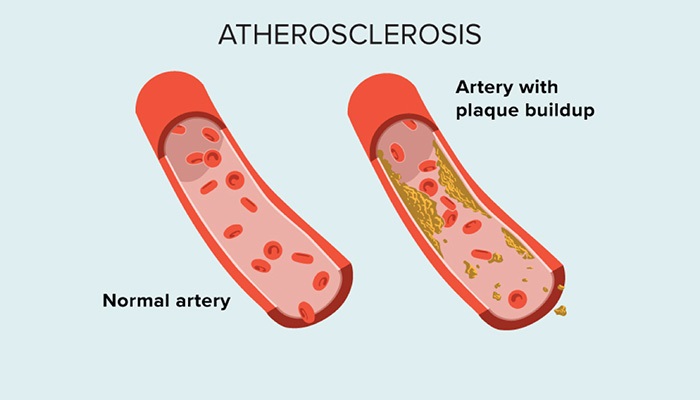
Atherosclerosis Impact on 5-Year Vascular Events in TIA/Minor Stroke: International Cohort Study

This study analyzed patient data from TIAregistry.org to estimate the prevalence of atherosclerosis and associated risk factors in patients who had a transient ischemic attack (TIA) or minor ischemic stroke. The ASCOD grading system was applied to categorize the degree of atherosclerosis and estimate the 5-year risk of major vascular events. The study found that patients with atherosclerosis had a much higher risk of major vascular events within 5 years than those without atherosclerosis. Preventive strategies should focus on individuals with atherosclerosis rather than grouping together all people who have had a TIA or minor ischemic stroke. The study was funded by several organizations, including AstraZeneca and Sanofi.

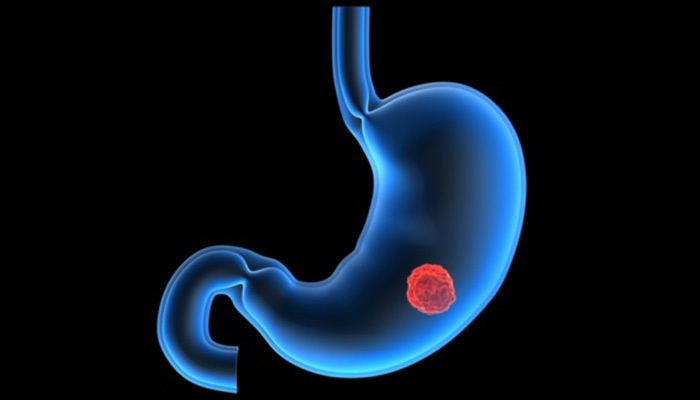
Exploring Sleeve Gastrectomy as Alternative to Total Gastrectomy in HDGC: A Prospective Cohort Study

This study aimed to investigate the feasibility of using endoscopic screening and surveillance as an alternative to prophylactic total gastrectomy in individuals with CDH1 variants, who are at high risk of developing hereditary diffuse gastric cancer. The study involved 270 asymptomatic patients with CDH1 variants who underwent endoscopic screening and surveillance, with a median follow-up of 31.1 months (about 2 and a half years). The findings indicated that endoscopic surveillance was an acceptable alternative to surgery in individuals with CDH1 variants who declined total gastrectomy, with a low rate of incident tumors. This suggests that surveillance could be a viable alternative to surgery for these individuals. The study was funded by the Intramural Research Program at the National Institutes of Health.

Scroll to Top